
Society & Culture
Cebu Is Changing Fast, But What Kind of City Are We Building?
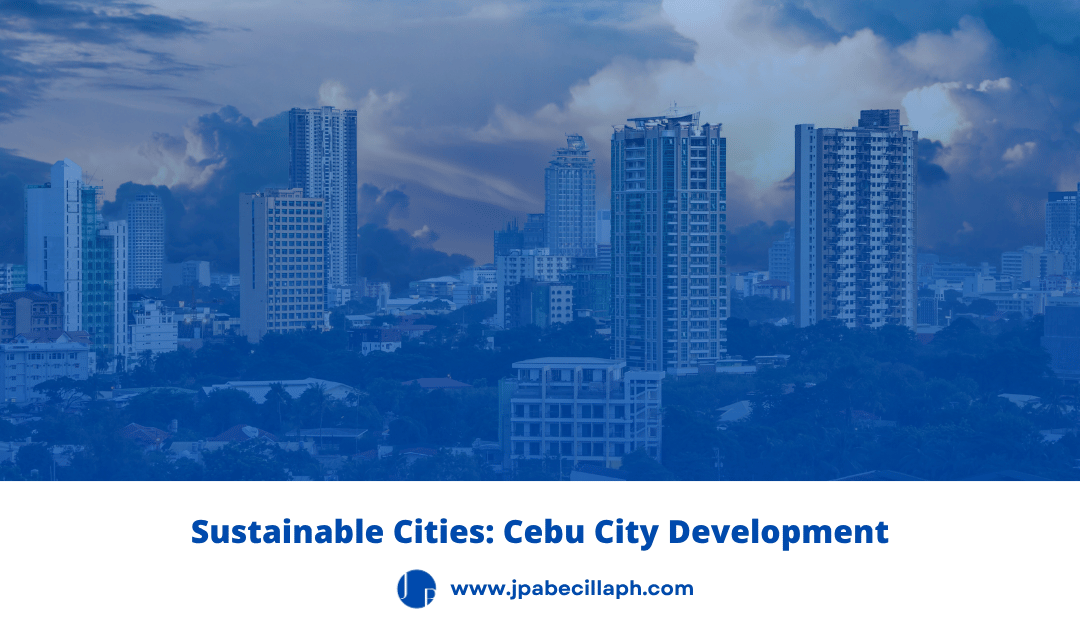
Cebu, the Queen City of the South, has always been proud of its growth.
New towers rise. Business districts expand. Restaurants open. Property developments advertise another version of modern urban life. Roads become busier because more people are moving, working and spending.
Growth is visible almost everywhere. But there is a question we do not ask often enough: What kind of Cebu are we actually building?
Development is easy to photograph. Quality of life is harder.
A skyline is not the same thing as a city
Tall buildings create an immediate sense of progress. They represent investment, employment and economic activity. Those things matter. But residents experience cities at ground level.
They experience them while waiting for transportation, walking on sidewalks, crossing roads, surviving heavy rain, looking for affordable housing and trying to reach work without losing hours in traffic.
A city can look impressive from a hotel window and still be exhausting to live in. Both realities can exist at the same time.
Related post: The 12th PropertyGuru Philippines Property Awards Will Showcase the Finest Real Estate in the Country
Growth should make ordinary life easier
The best measure of development is not merely how much construction is happening.
It is whether ordinary residents feel that life is becoming more manageable.
- Can people move around efficiently?
- Can pedestrians walk safely?
- Are public spaces usable?
- Are neighbourhoods protected from worsening floods?
- Can young professionals realistically afford to live near where they work?
- Can families access schools, hospitals and basic services without spending half the day travelling?
These questions are less glamorous than ribbon-cutting ceremonies.
But they are what determine whether development becomes meaningful.
Cebu’s identity also matters
Growth brings another challenge.
Cities can modernise so quickly that they begin to look interchangeable.
Another condominium.
Another mall.
Another office tower.
Another global chain.
There is nothing inherently wrong with those things.
But Cebu should not become modern by becoming generic.
The character of a city lives in its neighbourhoods, food, language, history, local businesses, public spaces and the way people interact.
Development should make room for those things rather than erase them.
We should also think beyond cars
Much of urban life in the Philippines has been designed around the assumption that movement means owning or riding a vehicle.
But not everybody drives.
Children walk.
Workers commute.
Students use public transport.
Older people need safe crossings.
Visitors need understandable connections.
A city that becomes increasingly difficult to navigate without a private vehicle eventually creates inequality in something as basic as mobility.
Transportation is therefore not merely an infrastructure issue.
It is a quality-of-life issue.
Climate resilience can no longer be an afterthought
Cebu’s development must also respond to the realities of heavier rain, flooding, extreme heat and environmental pressure.
Every new development changes how water moves.
Every road expansion changes land use.
Every lost green space has consequences.
Resilience is far cheaper when designed before disaster than when repaired afterwards.
Growth that ignores those realities eventually sends the bill to residents.
Related post: Can We Stop Normalizing the Philippines As a DUGYOT Nation?
Cebu can grow without losing itself
I am optimistic about Cebu.
That is exactly why the question matters.
The city has enormous advantages: talent, entrepreneurship, tourism, education, culture and geographic importance.
But success should not simply mean becoming bigger.
It should mean becoming better to live in.
A city where business grows but people can still breathe.
A city where progress reaches communities beyond premium developments.
A city where infrastructure keeps up with investment.
A city that remains recognisably Cebu even as the skyline changes.
Development is not only about what we build.
It is about the kind of life those buildings make possible.
And as Cebu continues changing, that may be the more important story to watch.